Knowledge-Centric AI
Integrating biological knowledge directly into AI decision-making
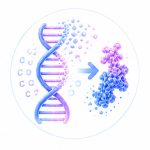
“We develop foundational AI technologies including biological retrieval, memory, representation learning, and agentic reasoning that enable next-generation generative biology across proteins, antibodies, peptides, and precision therapeutics. We develop knowledge-augmented and agentic AI technologies for engineering next-generation biological therapeutics.” Amir Lakizadeh
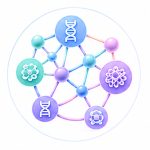
Knowledge-Augmented Generative Biology (KAGB) addresses this challenge by combining biological knowledge, multimodal artificial intelligence, retrieval systems, biological memory, and scientific AI agents into a unified research platform for intelligent therapeutic discovery.
Integrating biological knowledge directly into AI decision-making
Preserving and reusing scientific knowledge across biological tasks
Learning jointly from sequences, structures, molecular properties, and biological networks
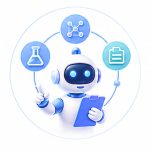
Developing autonomous systems for biological reasoning and hypothesis generation
AI-powered strategies for precision medicine and personalized
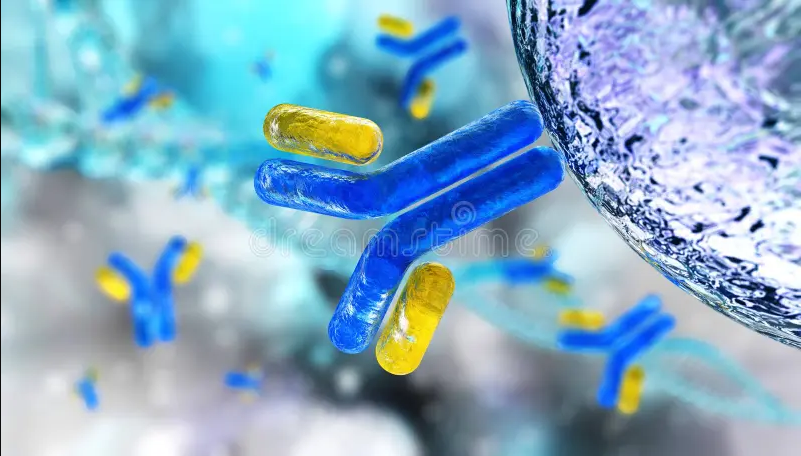
AI models are used to design and optimize new antibodies and small-molecule drugs, accelerating the discovery process.
Machine learning helps identify new uses for existing drugs and predict harmful drug–drug interactions.

We develop AI tools to detect potential adverse effects when multiple drugs are taken together.
AI-driven methods are applied to design antimicrobial, antifungal, and anticancer peptides for novel therapies.
By analyzing genomic data, our models predict cancer-related genes that play key roles in disease progression.
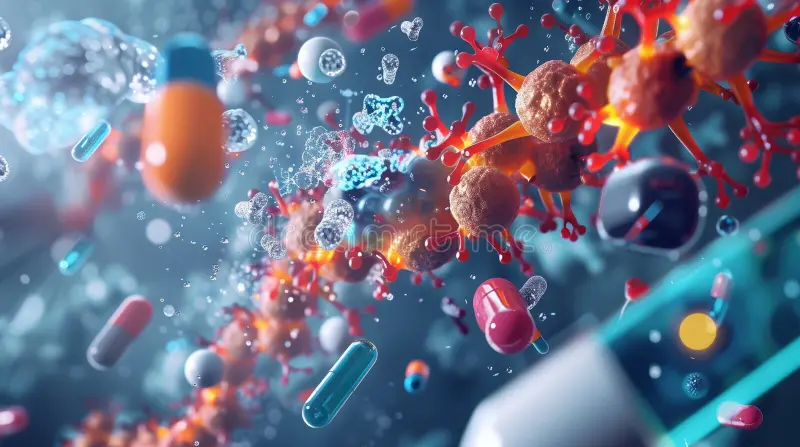
We explore combinations of drugs that work better together than individually, enabling more effective treatments.
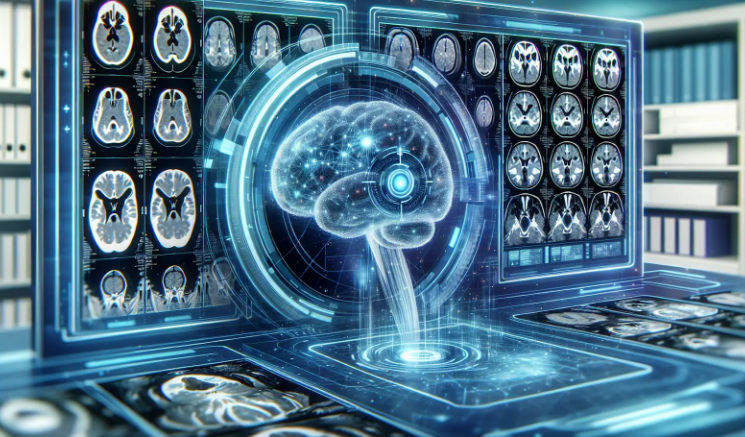
From tumor detection to early diagnosis of autism, Alzheimer’s, and diabetic retinopathy, AI supports more accurate and faster medical decisions.
Our research also covers some distinct AI-based applications such as virtual try-on, voice conversion, driver drowsiness detection, sentiment analysis, image enhancement, and deepfake detection.
We are eager to partner with academic researchers, students, and industry professionals to push the boundaries of AI in drug discovery and healthcare innovation.